
Did you know that casino game design is a highly sophisticated field that leverages psychological principles to keep players engaged and coming back for more? With the rise of online casinos, the industry has become even more competitive, and game designers are using various techniques to create an immersive experience for players. To learn more about the psychology behind casino game design, click here to discover the secrets of the industry.
Casino games have been around for centuries, captivating players with their promise of excitement, fortune, and entertainment. But what drives us to play these games? Is it just luck, or is there something more at play? As it turns out, casino game design is a complex field that combines psychology, mathematics, and technology to create a unique experience for players. In this article, we will explore the psychology behind casino game design and how it influences player behavior.
Understanding the Power of Casino Games
Casino games use a combination of rewards and punishments to create a sense of excitement and anticipation. Rewards can take many forms, such as immediate or delayed payouts, while punishments can be used to discourage players from making certain decisions. The psychology of reward and punishment is a key aspect of casino game design, as it can influence player behavior and encourage players to continue playing.
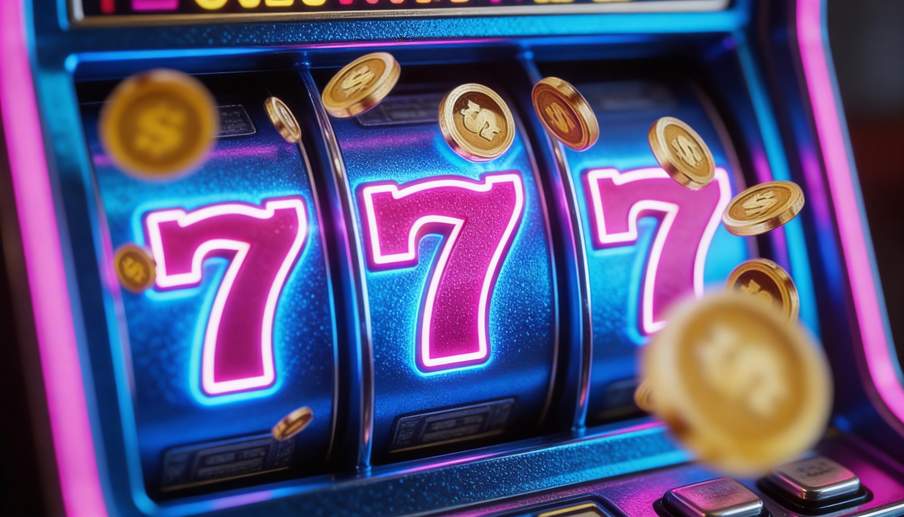
For example, a study found that players who received immediate rewards were more likely to continue playing than those who received delayed rewards. This is because immediate rewards activate the brain’s reward system, releasing dopamine and creating a sense of pleasure. On the other hand, delayed rewards can lead to frustration and disappointment, causing players to lose interest in the game.
The Role of Emotional Manipulation
Casino games often use emotional manipulation to create a sense of excitement and attachment. This can be achieved through various techniques, such as social proof, scarcity, and emotional storytelling. Social proof, for example, involves showing successful players or testimonials to create a sense of social pressure and encourage players to join in. Scarcity, on the other hand, involves creating a sense of limited time or opportunity, encouraging players to make quick decisions.
Emotional storytelling is another technique used in casino game design. This involves creating a narrative or theme that resonates with players and creates an emotional connection. For example, a game might use a story of a character who overcomes challenges to win a jackpot, creating a sense of identification and motivation for the player. By using emotional manipulation, casino games can create a sense of engagement and attachment, encouraging players to continue playing.
The Impact of Cognitive Biases
Cognitive biases are systematic errors in thinking that can influence player decisions in casino games. Some common biases include confirmation bias, anchoring bias, and loss aversion bias. Confirmation bias, for example, involves focusing on positive outcomes and ignoring negative ones, creating an overly optimistic view of the game. Anchoring bias, on the other hand, involves relying on initial information or assumptions, influencing player decisions and expectations.
Loss aversion bias is another common bias in casino games. This involves favoring avoiding losses over gaining gains, encouraging risk-averse behavior. For example, a player might prefer to avoid losing £10 rather than gaining £10, even if the odds are the same. By understanding cognitive biases, casino game designers can create games that exploit these biases, influencing player behavior and encouraging players to continue playing.
The Design of Casino Games
Casino games are designed to create a specific experience for the player. This can be achieved through various design elements, such as color scheme, sound design, and visual design. Color scheme, for example, can be used to create a specific atmosphere or ambiance, such as red for excitement or blue for calmness. Sound design can also be used to create a sensory experience, with sound effects and music enhancing the emotional impact of the game.
Visual design is another important aspect of casino game design. This involves using graphics and animation to create a visually appealing experience, drawing the player’s attention and creating engagement. For example, a game might use 3D graphics or virtual reality to create an immersive experience, making the player feel like they are part of the game. By combining these design elements, casino games can create a unique and engaging experience for players.
The Future of Casino Game Design
As technology continues to evolve, casino game design is becoming increasingly sophisticated. With the rise of virtual and augmented reality, players can expect even more immersive and engaging experiences. Artificial intelligence is also being used to create more personalized and dynamic games, tailoring the experience to individual player preferences.
In 2026, we can expect to see even more innovative games that combine psychology, mathematics, and technology to create a unique experience for players. With the use of machine learning and predictive analytics, games can be designed to adapt to player behavior, creating a more efficient and effective experience. As the industry continues to evolve, it will be exciting to see how casino game design changes and adapts to meet the needs of players.
Author
Emily Chen, iGaming analyst with 10+ years of experience specializing in online casino regulations and responsible gambling.
Frequently Asked Questions
Q: What is the psychology behind casino game design?
A: Casino game design is a highly sophisticated field that leverages psychological principles to keep players engaged and coming back for more.
Q: How do casino games use rewards and punishments?
A: Casino games use a combination of rewards and punishments to create a sense of excitement and anticipation.
Q: What is the role of emotional manipulation in casino game design?
A: Emotional manipulation is used to create a sense of excitement and attachment, encouraging players to continue playing.